Anti-Inflammatory Medications
Anti-inflammatory medications, or non-steroidal anti-inflammatory drugs (NSAIDs), are commonly used to reduce inflammation, pain, and fever. They are available over the counter or by prescription
Anti-inflammatory medications, or non-steroidal anti-inflammatory drugs (NSAIDs), are commonly used to reduce inflammation, pain, and fever. They are available over the counter or by prescription
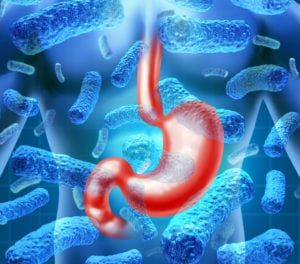
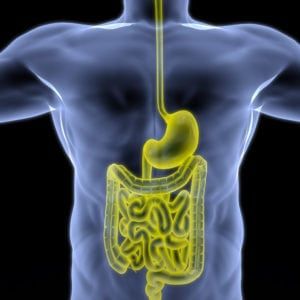
Gastroenterology is a specialty branch of medicine pertaining to the diagnosis and treatment of GI diseases and conditions. The GI tract is highly complex, containing

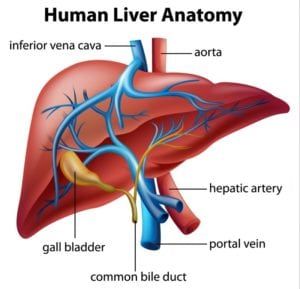
The liver is a vital organ plays a very important role in processing nutrients, creating new proteins, and removing wastes that the kidneys are incapable

Most cases of gastroenteritis – especially those caused by a microorganism – do not require treatment, as symptoms typically resolve within a few days. However,

Endoscopic Retrograde Cholangiopancreatography, or ERCP, is a procedure used to diagnose and treat disorders pertaining to the pancreas, liver, gallbladder and bile ducts. During the

Diverticular disease is an umbrella term used to refer to two separate colon disorders – diverticulosis and diverticulitis. In diverticulosis, pouches form and bulge within

Bowel movements vary in frequency among healthy people, ranging from three times per day to three times per week. Most people fall somewhere in between

Several tests have been developed to help gastroenterologists screen for colon cancer. Since the majority of all colon cancers begin as polyps along the intestinal

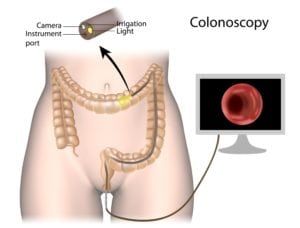
A colonoscopy is a procedure that allows a gastroenterologist to view the inner lining of a patient’s colon and rectum. The procedure is performed using

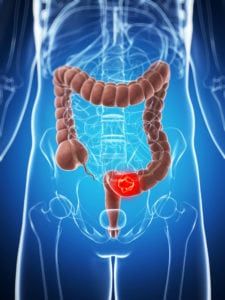
Colon cancer is a ‘silent’ cancer, meaning it often causes no major symptoms until it has reached advanced stages. Though it is a serious disease,