Opthalmology
CRT (Corneal Refractive Therapy)
Corneal refractive therapy (CRT) is a non-surgical means of minimizing nearsightedness in vision patients. Also known as orthokeratology, CRT uses gas-permeable lenses similar to traditional
Corneal refractive therapy (CRT) is a non-surgical means of minimizing nearsightedness in vision patients. Also known as orthokeratology, CRT uses gas-permeable lenses similar to traditional

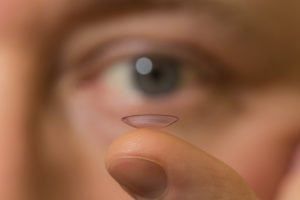
Contact lenses are a discreet way of managing vision impairments without being tied to a pair of glasses. Many optometric patients choose contacts over eyeglasses
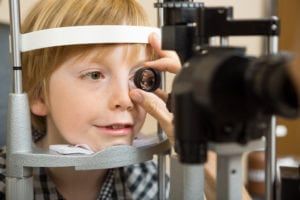
Children’s vision care should begin at birth and continue throughout childhood and adolescence. Without professional vision screenings, children can grow up with a distorted vision
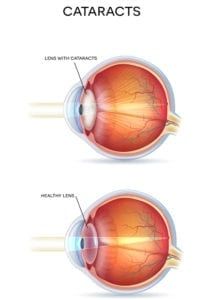
Cataracts are common, age-related clouding of the clear lens that covers the eye. Though they are not dangerous or threatening to the health of the
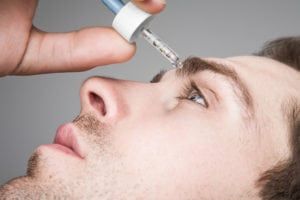
Dry eye is a chronic condition in which the body does not produce enough quality tears to sufficiently lubricate the eye. Without tear lubrication, the
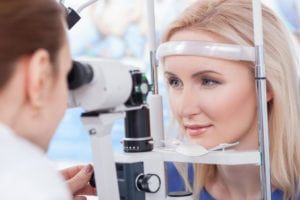
Eye exams are professional screenings used to evaluate the health of the eye and diagnose vision impairments and disease. Each is comprised of a series

Eyeglasses are removable lenses used to correct vision impairments. Some, such as reading glasses, can be purchased over the counter at local drug stores. Others,
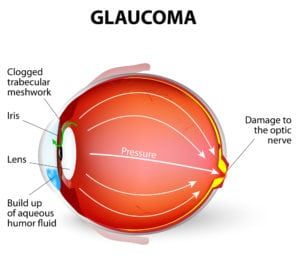
Glaucoma is a term used to refer to a group of eye diseases that ultimately cause damage to the optic nerve. Unfortunately, there is no
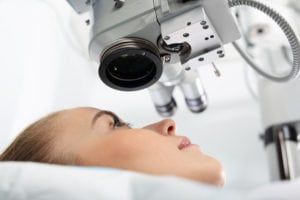
LASIK is a laser eye surgery used to correct refractive errors of the eye. Patients usually opt for LASIK when they tire of wearing corrective
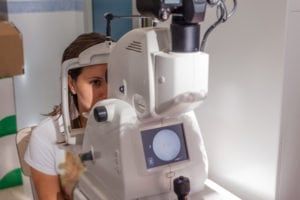
A retinal exam – also referred to as an ophthalmoscopy – is an in-office screening used to examine the back of your eye. Checking the